SEAOC Structural/Seismic Design Manual In-Person Seminar
West Sacramento Community Center
1075 West Capitol Avenue West Sacramento, CA 95691-2700 United States
SEAOCC invites you to participate in a full‑day, in‑person SEAOC Structural/Seismic Design Manual Seminar featuring the updated 2024 IBC/SEAOC SSDM. Led by experienced structural and seismic engineering professionals, this seminar will give practical, hands-on guidance for applying today’s seismic design requirements.
Throughout the day, attendees will walk through clear, step-by-step design examples covering topics such as seismic design parameters, base shear, diaphragm forces, multi‑story cold‑formed steel and wood buildings, reinforced concrete walls with coupling beams, and steel special moment frames. This seminar connects the big-picture intent of the IBC and ASCE 7 with real-world design practice.
Confirmed Speakers & Topics:
Mason Thau - Volume 1 Code Application Samples
Title: 2024 IBC Structural/Seismic Design Manual: Updated Examples for ASCE 7-22
Abstract: This presentation highlights some of the key changes in Volume 1 of the 2024 IBC SEAOC Structural/Seismic Design Manual. The design examples that will be covered have been updated to reflect changes in ASCE 7-22 including the new multi-period response spectrum provisions and nonstructural seismic design force equation. Additionally, the presentation will cover a new example that walks through the increasingly relevant alternate design provisions for diaphragms in ASCE 7.
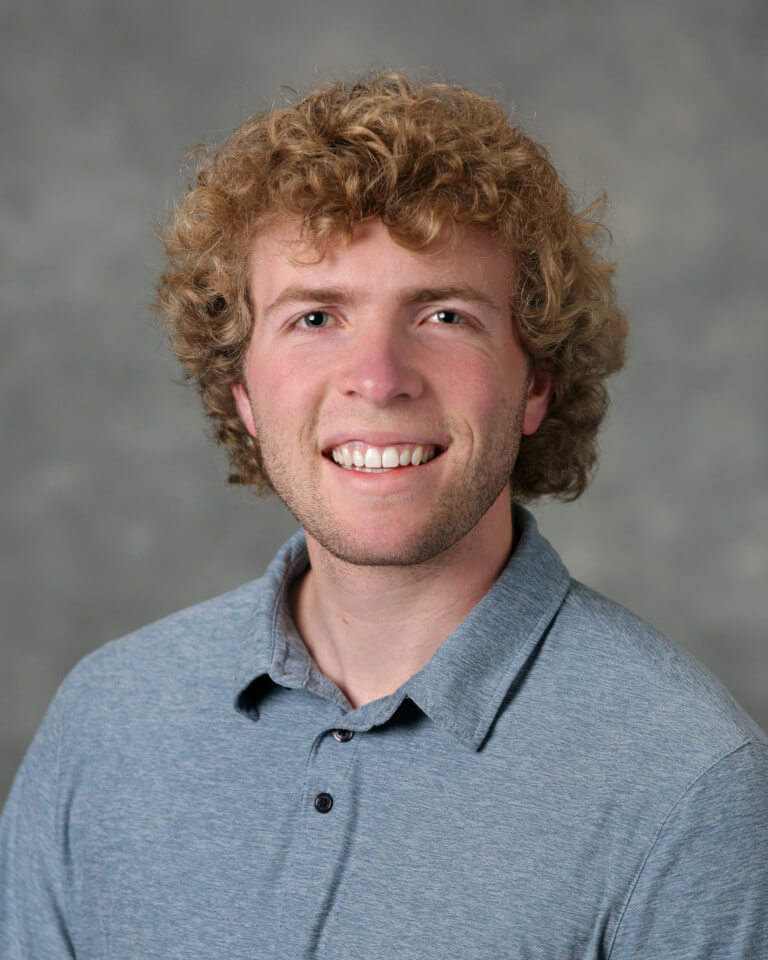
Bio: Mason Thau is a Professional Engineer at Martin/Martin. He studied at UC Berkeley, where he performed and published graduate research in base isolation and nonstructural component anchorage to support proposed changes in ASCE 7-28. Since graduating, Mason has joined the ASCE 7-28 Seismic Subcommittee as an associate member and helped author multiple significant code change proposals, leveraging his perspective and skills as a younger engineer to contribute meaningfully to the committee's work. Mason is also an active member of SEAOC and NCSEA. He currently serves as Past-Chair of the SEAONC Young Member Forum, Chair of the SEAOC Communications Committee, and Vice Chair of the NCSEA Academia Practice Partnerships Committee. He is a passionate advocate for the contributions that young professionals can make to the profession.
Wei Cheng - Volume 2 "Five-Story Multistory Wood Light-Frame Residential Building on Concrete Podium"
Title: Design Example 1 Five-Story Multi-Family Multistory Wood Light-Frame Residential Building on Concrete Podium
Abstract: The multi-story light frame wood example has been updated to incorporate more complex yet common building geometry, including a U-shaped plan, exterior walls not incorporating shear walls, 5 stories of wood construction and a location atop a concrete podium. More advanced and rigorous analytic approaches are also provided as well as changes driven by the 2024 IBC.
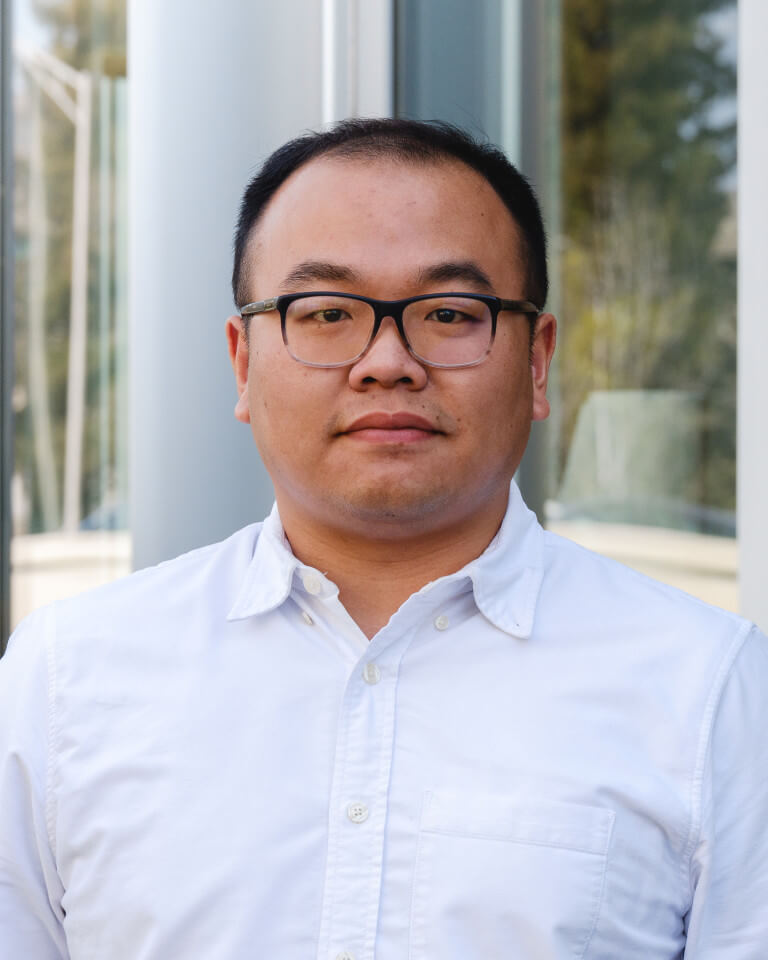
Bio: Wei Cheng is a Project Engineer at Hohbach-Lewin, Inc. a structural and civil engineering firm with offices in Palo Alto, San Francisco, and Pasadena, California; and in Eugene, Oregon. He has worked as a structural engineer for 8 years, specializing in the analysis and design of multi-unit wood framed residential buildings over post tensioned concrete podium slab construction. Wei serves as a co-author for the 2024 IBC SEAOC Structural/Seismic Design Manual, Vol. 2 (Design Example 1).
Jeff Ellis - Volume 2 "Three-Story Light-Frame Multifamily Building Design Using Cold-Formed-Steel Wall Framing and Wood Floor and Roof Framing”
Title: Design of a Multi-story Cold-Formed Steel Framed Building
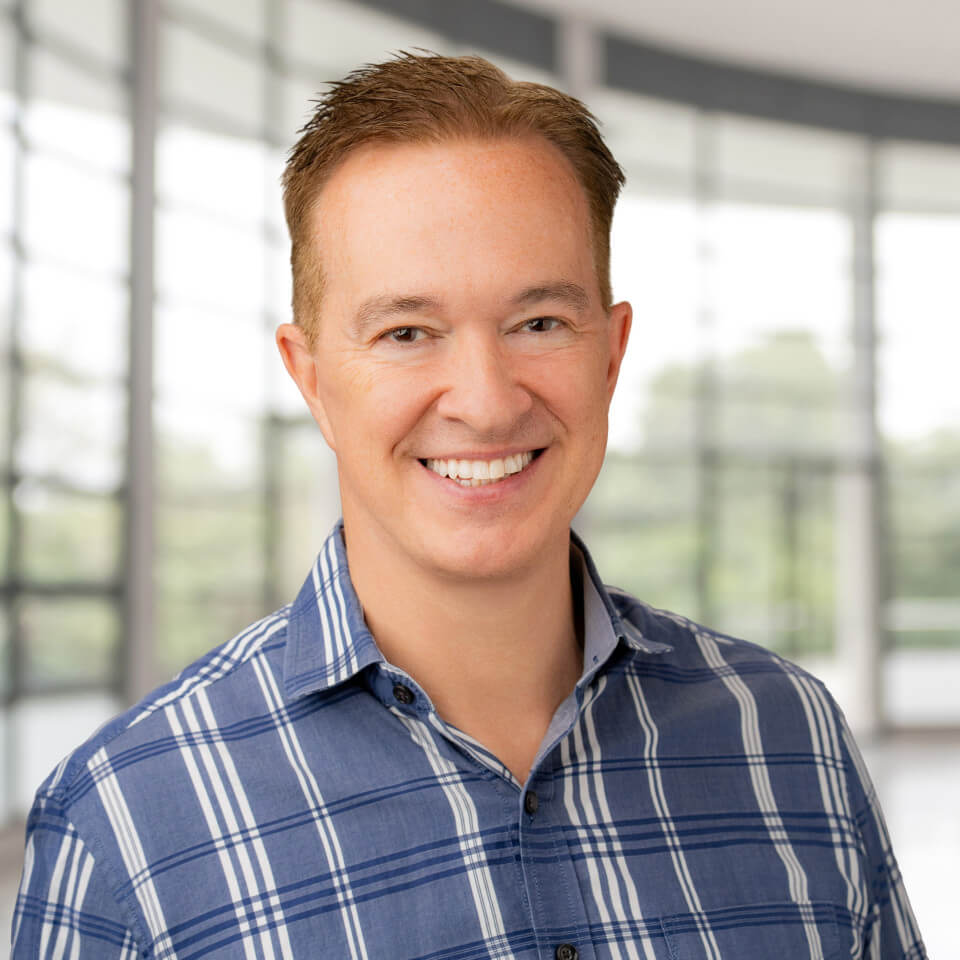
Abstract: This presentation will walk through requirements and changes from the last code cycle mainly for the design of cold-formed steel (CFS) lateral-resisting systems for a 3-story CFS framed building. Many of the recurring questions engineers have concern which floor framing system to use, overturning restraint options and their design and detailing, wall stud bracing design and detailing, and use of the overstrength and expected-strength factors. These topics are covered in the SEAOC SSDM design example, updated for the 2024 IBC and referenced AISI S100/S200-series standards. The session will also note what has changed since the 2021 IBC cycle, including updated AISI, AISC, ASCE 7, and AWC standard references.
Bio: Jeff is a licensed Civil and Structural Engineer in California and multiple other states who has been practicing since 1991. Before joining Simpson Strong-Tie in 2000, he spent nine years as a design engineer on residential, commercial, institutional, and forensic projects, working in wood, cold-formed steel, structural steel, masonry, and concrete. At Simpson Strong-Tie, he has held roles spanning branch engineering, regional engineering management, codes and product compliance, and business unit leadership. He currently serves as Manager for Engineering Department Operations. His industry involvement includes serving as chairman of the AISI Committee on Framing Standards Lateral Design Subcommittee, president of both SEAOSC and the Cold-Formed Steel Engineers Institute (CFSEI), and as a member of the ICC-ES Board of Managers. He is a SEAOC Fellow and current co-chair of the SEAOSC Legislative Action Committee, and has authored design guides and technical articles and presented on structural design and codes and standards topics throughout his career.
Karl Telleen - Volume 3 "Reinforced Concrete Wall with Coupling Beams"
Title: Seismic Design of a Concrete Wall with Coupling Beams: SEAOC Seismic Design Manual Volume III, Example 2
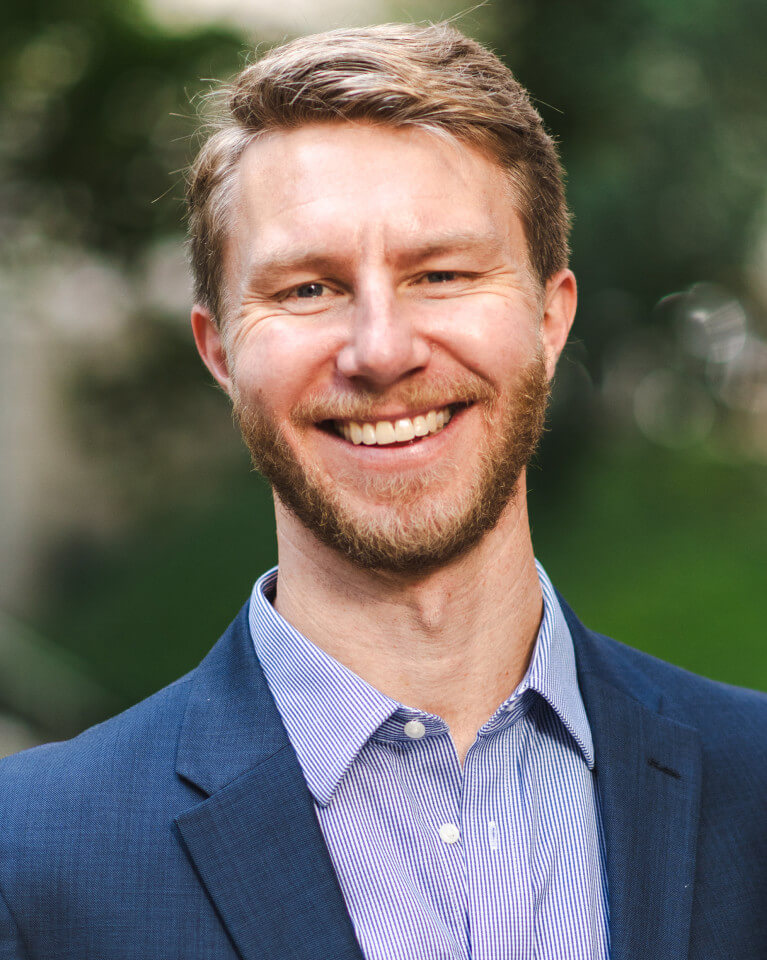
Abstract: SEAOC Seismic Design Manual Volume III Example 2 covers seismic design of a six-story concrete wall with openings and coupling beams. The presentation will focus on key concepts including: desired behavior of concrete walls, design for flexure, lap splices, design for shear, effect of gravity framing, detailing of wall boundaries, and detailing of coupling beams. The presentation will draw on observations and lessons learned from past earthquakes, in addition to code requirements and recommendations from research.
Bio: Karl Telleen is a Principal with Maffei Structural Engineering in San Francisco. He has 21 years of professional experience including design of concrete and steel structures, seismic retrofit and renovation of historic buildings, peer review, and wind and seismic analysis of solar arrays. He completed a Fulbright Fellowship in Switzerland in 2010, and he performed reconnaissance in Haiti following the 2010 earthquake. He was selected as an EERI Housner Fellow in 2017. Karl served as Director and Treasurer of SEAONC, and he co-authored papers in the journals Earthquake Spectra, Concrete International, and the ASCE Journal of Structural Engineering.
Kevin Moore - Volume 4 "Special Moment Frame"
Title: Steel Special Moment Resisting Frame 2024 IBC Structural / Seismic Design Manual - Volume 4

Abstract: Structural steel special moment frames (SMF) typically comprise wide flange beams, columns, and beam-column connections. Connections are proportioned and detailed to resist internal forces (flexural, axial and shear) that result from displacement created in response to extreme earthquake ground shaking. The SMF’s anticipated seismic behavior usually includes large displacements and high rotational demands on the rigid connections. SMF design intends to distribute inelastic demand throughout all participating beam-column connections, with yielding being limited to targeted member locations outside of the potentially brittle SMF connection.
Bio: Kevin Moore, Principal with Martin/Martin Consulting Engineers, is a nationally recognized structural engineer with expertise in advanced analysis, design, and evaluation of buildings in high seismic regions. Mr. Moore is a licensed professional engineer, civil engineer, or structural engineer in 15 states with over 30 years’ experience as a practicing structural engineer in California. Kevin is the current Project Manager for the SEAOC Seismic Design Manuals for the 2024 CBC, and has been active in AISC, SEAOC and SEAONC since 1995. He served as Chair of the SEAOC Structural Standards Committee, SEAOC Seismology Committee, and SEAONC Seismology Committee and is a Past President of SEAONC and the Past Chair of the NCSEA Seismic Subcommittee to the Code Advisory Committee. While serving as the Vice Chair of the AISC Connection Prequalification Review Panel for the first 9 years of the committee, Kevin wrote the SMF design example presented today, and he remains a voting member of AISC 358.
Final agenda, timeslots, and logistics will be sent out closer to the seminar date
Thank you to our Table Sponsors:


Tickets
$300.00 SEAOCC Member
$350.00 after 12:00 am October 26
$375.00 Non SEAOCC Member
$425.00 after 12:00 am October 26
$75.00 Student Ticket
$100.00 after 12:00 am October 26
$750.00 Sponsor Table (includes registration for 2 people, logo on e-blasts and mention at event with table)
For More Information: